Viewing 1 - 6 out of 13
Patient Education

Infections & Infestations
Genital Herpes
Genital herpes is a sexually transmitted infection caused by an infection with the herpes simplex virus (HSV). There are two types of the herpes simplex virus- herpes simplex virus type 1 (HSV-1) and herpes simplex virus type 2 (HSV-2). Either type can cause genital herpes, but HSV-2 is responsible for

Infections & Infestations
Boil/Furuncle
A boil, also known as a furuncle, is a painful, pus-filled bump that results from a bacterial infection of the hair follicle. It is a common skin infection, typically caused by a bacteria called Staphylococcus aureus. The infection usually starts as a tender, pinkish-red, bump which fills with pus- becoming
Infections & Infestations
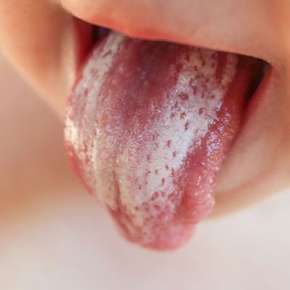
Candidiasis
Candidiasis is an infection caused by the yeast Candida. Candida skin infections (cutaneous candidiasis) can occur at any site, but tends to favor warm, damp environments such as the skin folds and the groin region. Candida infections can also occur in the mouth (oral thrush) and in or around the nails

Infections & Infestations
Cellulitis
Cellulitis is a common bacterial infection of the deeper structures of the skin. The infection presents as a focal area of redness, swelling, and pain which is warm to the touch. These skin findings can be accompanied with fevers, chills, fatigue, and malaise. Cellulitis can affect any part of the body,

Infections & Infestations
Lyme Disease
Lyme disease is a tick-borne illness caused by the bacteria Borrelia burgdorferi. It is transmitted to humans through the bite of an infected tick (commonly the deer tick). Early symptoms may include fever, chills, fatigue, headache, body aches, and a characteristic skin rash called erythema migrans.

Infections & Infestations
Molluscum Contagiosum
Molluscum, or molluscum contagiosum, is a common viral skin infection caused by the molluscum contagiosum virus (MCV). This benign condition typically presents with pink, round bumps with a central indentation. The number of bumps can range in number (few to hundreds) and in size (1-6mm). The bumps can
OUR LOCATION
Goyal Medicine and Dermatology
Address
3801 International Dr, Ste. 211
Silver Spring , MD 20906, US
Contact Information
Monday
9:00 am - 4:00 am
Tuesday
9:00 am - 4:00 am
Wednesday
9:00 am - 4:00 am
Thursday
9:00 am - 4:00 am
Friday
9:00 am - 2:00 am
Weekend
Closed
HOURS OF OPERATION
Monday
9:00 am - 4:00 am
Tuesday
9:00 am - 4:00 am
9:00 am - 4:00 am
Wednesday
Thuirsday
9:00 am - 4:00 am
9:00 am - 2:00 am
Friday
Weekend
Closed